
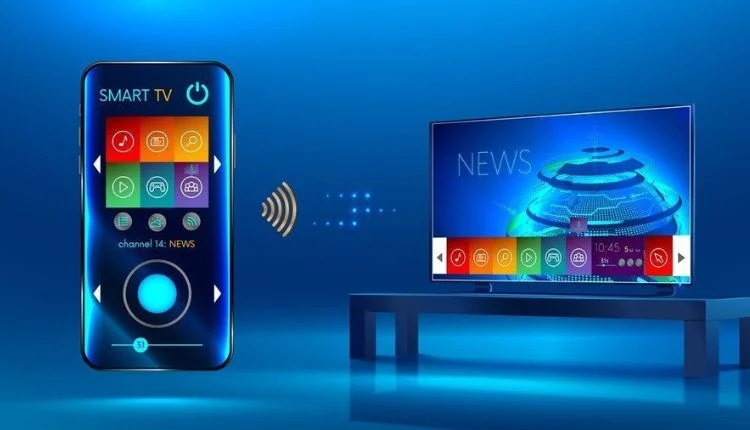
Today’s viewers no longer rely solely on scheduled shows; instead, they enjoy on-demand content, global streaming platforms, voice control, and fully customised experiences. This shift has transformed the TV from a simple screen to a powerful digital entertainment centre that influences everyday lifestyles, media consumption, and even home technology.
With brands constantly improving features like display quality, processor speed, smart apps, and connectivity, choosing a phone now requires more awareness than ever. Understanding these trends helps users make better decisions and enjoy modern entertainment to the fullest. In this article, we explore how the latest advances are reshaping the television industry, which features matter most, and why the future of television is more exciting than ever.
Evolution of TV technology
Television technology has gone through several generations of innovation, from black and white screens to vivid 4K and 8K displays. Development did not stop at image quality; it has expanded to how content is delivered and how viewers interact with it.
Smart TV have brought about a major shift, as they provide internet connectivity, built-in apps and advanced browsing capabilities. Today, features like Android television, Google television, and webOS allow users to access Netflix, YouTube, Amazon Prime Video, and other platforms without additional devices. Voice assistants like Google Assistant and Alexa have also revolutionised the way viewers find and control their television, making the experience faster and more intuitive.
These developments show that the TV is no longer just a display device – it is a complete ecosystem.
Why smart TVs dominate the market
Smart televisions now account for more than 90% of global sales because they offer convenience, customisation, and endless entertainment options. A smart television combines broadcast television with Internet applications, allowing users to seamlessly switch between live channels and streaming content.
The popularity of smart television also comes from features like app stores, built-in screen mirroring, and cloud gaming capabilities. Many models now support Bluetooth devices, external audio systems, and home automation systems, making the television the main entertainment control center for the whole household.
With this level of versatility, it’s clear why the smart television market is growing every year.
Display technology that enhances the TV experience
The quality of the TV screen dramatically affects the viewing experience. Different types of displays offer unique advantages, and modern televisions include advanced technologies such as
LED and QLED displays
LED televisions remain the most affordable and widely available. QLED improves brightness and color accuracy, making it ideal for bright rooms or users who prefer vivid images.
OLED
OLED stands out with deep blacks and amazing contrast thanks to individually lit pixels. Movie buffs and gamers often prefer OLED because it provides cinematic image quality and ultra-fast response times.
4K and 8K resolution
While 4K has become the standard for new TV models, 8K represents the future with even greater detail and clarity. Although 8K content is still limited, the technology promises revolutionary improvements in realism and immersion.
HDR support
HDR (High Dynamic Range) enhances color depth, shadow detail and brightness for a more realistic viewing experience. Televisions with Dolby Vision or HDR10+ offer the best results.
Each of these display options helps users find the perfect television based on their preferences, room lighting and budget.
Connectivity features that make your Television truly smart
Modern televisions offer a wide range of connectivity options, allowing users to customize their entertainment settings. Wi-Fi is now standard, allowing access to streaming platforms, social media and web browsing.
Bluetooth connectivity helps connect wireless headphones, speakers, keyboards and controllers. HDMI ports enable the connection of gaming consoles, soundbars and set-top boxes, while USB ports support external storage devices.
Screen mirroring features such as Miracast, Chromecast, and AirPlay allow users to share content from smartphones or laptops directly to the Television. These connectivity enhancements make the TV a central part of the smart home, connecting seamlessly with other devices.
The role of artificial intelligence in the future of television
Artificial intelligence TV features have become a major part of modern entertainment. Artificial intelligence helps in areas such as image enhancement, audio optimisation, voice control and personalised content recommendations. It tracks viewing habits and suggests content that matches users’ interests.
Some televisions even include AI upscaling, which enhances lower-quality videos to look sharper on higher-resolution screens. AI voice assistants allow users to search without typing, adjust settings or control smart home devices with simple commands.
As artificial intelligence becomes more advanced, television will become even more interactive and user-friendly.
Gaming on Television: A new era of entertainment
Modern TVs offer high refresh rates, low latency and support for dedicated game modes, making them suitable for console and cloud gaming. HDMI 2.1 compatibility enables higher frame rates for smoother, more responsive gaming.
Many popular television brands are now partnering with gaming companies to offer specialised features such as VRR (Variable Refresh Rate), ALLM (Auto Low Latency Mode) and cloud gaming applications. For gamers, the television is becoming as important as the game console itself.
How to choose the right Television for your home
Choosing the right TV depends on many factors, such as room size, purpose, budget and preferred display technology. Large rooms may require larger screen sizes, such as 55-inch or 65-inch models. Movie lovers may prefer OLED, while sports fans may choose QLED for brightness and clarity.
Smart features, app accessibility, motion controls, and connectivity ports also need to be considered. Affordable brands offer impressive performance and ensure that every user will find a television suitable for their needs.
Thinking about your lifestyle and viewing habits will help you narrow down your choices and find the perfect match.
Conclusion
The world of television is constantly evolving with smarter technology, better viewing options and more interactive entertainment. Whether you’re interested in watching movies, streaming music, browsing the internet or playing games, modern TVs offer unlimited possibilities. With advances in AI, connectivity and resolution, the future of television promises even more features and convenience. Understanding these trends helps viewers make informed decisions and enjoy the best that modern entertainment has to offer.
Frequently asked questions
1. What makes a Television “smart”?
A smart Television has Internet access, built-in apps, and interactive features like streaming, browsing, and voice assistants.
2. Which Television display is best: LED, QLED, or OLED?
OLED offers the best picture quality, QLED provides excellent brightness, and LED is the most budget-friendly.
3. Do I need 4K or 8K resolution?
4K is ideal for most users, while 8K is mainly for premium users and future-ready setups.
4. Can I play games on a smart Television?
Yes, most modern televisions support console gaming, cloud gaming, and gaming optimization features.