
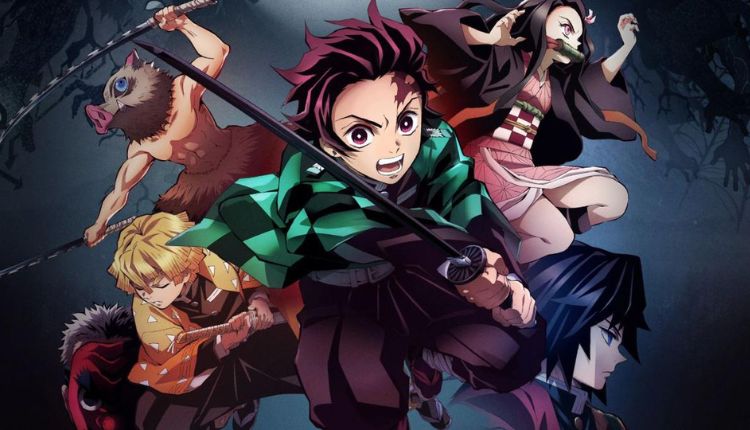
Originally produced in Japan, TV shows anime are now watched by millions of viewers from different countries, cultures and age groups. Unlike traditional cartoons, anime series often feature deeper stories, emotional character development, and complex themes that appeal to teenagers and adults alike. Over the years, streaming platforms and social media have helped anime TV shows reach international audiences faster than ever before.
TV Shows Anime and Their Global Popularity
One of the main reasons for the popularity of TV shows anime is their ability to tell long, interconnected stories over many episodes and seasons. Viewers become emotionally attached to the characters and impatiently wait for new episodes. Anime also covers a wide range of genres, allowing viewers to choose stories that match their interests and moods. From fantasy adventures to school dramas, anime TV shows offer something for everyone.
The main reasons anime TV shows are popular include:
- Strong storytelling with long story arcs
- Unique art styles and character designs
- Emotional and relatable characters
- Variety of genres and themes
- Dedicated fan communities around the world
As anime continues to grow, more and more production studios are investing in high-quality animation and storytelling. This has helped anime television shows gain awards, critical praise, and loyal fans across continents.
Different genres found in anime television shows
One of the biggest strengths of TV shows anime is the wide variety of genres available. This variety allows viewers to explore many types of stories without getting bored. Whether one likes action scenes or quiet emotional moments, anime offers more options.
The action anime focuses on intense battles, powerful abilities, and heroic journeys. Fantasy anime explores magical worlds and mythical creatures. Romance anime tells stories about relationships and emotional growth. The mystery anime involves a thrilling investigation and unexpected twists. Slice-of-life anime presents simple everyday moments that feel peaceful and familiar.
Popular anime genre categories include:
- Action and adventure
- Fantasy and the supernatural
- Romance and drama
- Mystery and Thriller
- Comedy and Slice of Life
Many anime TV shows combine multiple genres, making them more interesting and unpredictable. For example, anime can mix romance with fantasy or action with comedy. This blending of genres keeps the story fresh and appeals to different types of viewers.
With this variety, people can easily find anime TV shows that match their personal interests. This is one of the reasons why anime attracts new fans every year.
Why storytelling is stronger in anime TV shows
Storytelling plays a major role in the success of TV shows anime. Unlike short cartoons, anime series often run for dozens or even hundreds of episodes. This allows creators to slowly develop characters and build complex stories that grow over time.
Many anime television shows focus on personal struggles, moral decisions, friendship, and dreams. These emotional elements help the audience connect deeply with the characters. When viewers feel attached to the characters, they become more engaged with the story and continue to watch future episodes.
Anime narration usually includes:
- Long character development arcs
- Emotional stories
- Unexpected plot twists
- Themes of growth and self-discovery
Another strength is how the anime thoughtfully explores serious themes such as loss, responsibility, and identity. Even though the setting is based on fantasy, the emotions often feel realistic and meaningful.
This depth of storytelling makes anime TV shows memorable and rewatchable. Many fans continue to discuss the theories and meanings of the stories long after the episodes have been released, keeping interest in the series alive for many years.
Art style and animation quality in anime TV shows
The visual style of TV shows anime is one of the first things that attracts new viewers. Anime is known for strong characters, colourful backgrounds, and creative visual effects. Each studio often has its own style that gives different series a unique look.
The quality of animation has greatly improved over the years due to better technology and higher production budgets. Modern anime television shows are characterised by fluid movement, detailed fight scenes, and impressive visual effects that enhance the overall experience.
Key visual characteristics of anime television shows include:
- Large expressive eyes and detailed facial expressions
- Stylized hair and costume designs
- Dynamic action scenes
- Beautiful background artwork
Visual storytelling is also important in anime. Emotions are often shown through symbolic imagery, changes in lighting or camera angles. This artistic approach makes the scenes stronger and more emotionally engaging.
Because of these artistic merits, anime television shows are often praised not only for their stories but also for their creativity and visual presentation.
Character development in anime television shows
Characters are the heart of TV shows anime. The well-developed characters make the story more engaging. Anime series often show characters growing over time, learning from mistakes, and changing their personalities through experience.
Viewers will see different sides of the characters, including their fears, hopes, and motivations. This creates emotional connections that keep the audience involved in the story.
Strong character elements include:
- Detailed personal background
- Clear goals and dreams
- Emotional struggles and conflicts
- Relationships with other characters
Supporting characters are also important in anime television shows. Friends, rivals, and mentors all play a role in shaping the main character’s journey. These interactions help create a rich and believable story world.
Because of this focus on emotional growth, fans often feel like they are growing with the characters, making anime television shows more meaningful than simple entertainment.
The cultural influence of Anime TV shows around the world
TV shows anime have had a huge impact on global pop culture. Fashion, music and art inspired by anime can be seen in many countries. Fans often attend conventions, cosplay as their favorite characters, and participate in online communities.
Anime has also influenced other forms of entertainment, including movies, video games, and Western animation styles. Many creators openly mention anime as a source of inspiration.
Cultural influence can be seen through:
- International anime convention
- Fan art and online discussion
- Fashion trends inspired by anime
- Adaptation into films and plays
Another important factor is how anime will introduce Japanese culture to viewers. Traditions, festivals, food, and social customs are often depicted in anime TV shows, helping a global audience learn more about Japan.
Streaming Platforms and Access to Anime TV Shows
The growth of streaming platforms has made TV shows anime easier to access than ever before. In the past, fans had limited ways to watch anime, but now entire seasons are available online with subtitles and dubbing options.
Streaming services allow viewers to watch anime anytime and anywhere, which has increased global viewership significantly. New episodes are often released quickly, keeping fans up to date with the current series.
Benefits of streaming anime include:
- Instant access to large anime libraries
- Multiple language options
- High-quality video playback
- Easy discovery of new series
This easy access has helped introduce anime to people who might never have watched it before. As a result, anime fan communities continue to grow across different age groups and regions.
Streaming has also encouraged production companies to create more original anime TV shows, knowing there is a strong global demand.
Future Trends in TV Shows Anime Industry
The future of TV shows anime looks very promising. Studios are investing in better animation technology and experimenting with new storytelling methods. There is also a growing trend of adapting popular manga and web novels into anime series.
Virtual reality, advanced CGI, and interactive storytelling may become more common in future anime productions. This could change how viewers experience anime TV shows.
Upcoming trends may include:
- Higher-quality animation techniques
- International collaboration projects
- More diverse story themes
- Digital-first production methods
Another trend is the increasing popularity of original anime stories instead of only adaptations. This allows creators more freedom to experiment with new ideas and characters.
As technology and global interest continue to grow, TV shows anime are expected to remain a major part of entertainment culture for many years.
Conclusion
TV shows anime are much more than simple animated programs. They offer powerful storytelling, emotional character journeys, artistic visuals, and meaningful cultural experiences. With a wide range of genres and themes, anime TV shows can entertain, inspire, and emotionally connect with viewers around the world.
The rise of streaming platforms has made anime more accessible than ever, helping it reach new audiences every day. As technology improves and creative storytelling continues, the future of TV shows looks brighter than ever, promising even more exciting and unforgettable series for fans to enjoy.
FAQs About TV Shows
Q1: What does “TV shows anime” mean?
‘TV shows’ and ‘anime’ refer to animated television series produced mainly in Japan, featuring unique art styles and long-form storytelling.
Q2: Are anime TV shows only for kids?
No, anime TV shows are made for different age groups, including teenagers and adults, with many mature themes and complex stories.
Q3: Why are anime TV shows so popular worldwide?
They are popular because of strong stories, emotional characters, creative visuals, and wide genre variety that appeals to many viewers.
Q4: Can beginners easily start watching anime TV shows?
Yes, many beginner-friendly anime series exist that introduce viewers to common themes and storytelling styles.
Q5: Do anime TV shows always follow manga stories?
Not always. Some anime are adapted from manga or novels, while others are completely original creations by animation studios.