
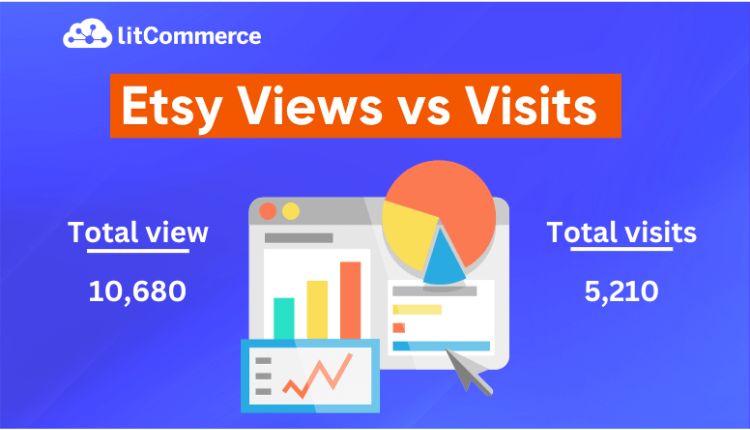
Whether you’re just starting out or already running a website, knowing how many people are total visits your site, where they’re coming from, and what they’re doing can help you grow faster and smarter. In this article, we’ll explain what total traffic means, why it’s important, how to measure it, and how to improve it with practical strategies.
What does ‘total traffic’ mean in website analytics?
‘Total visits‘ refers to the total number of times users visited your website during a certain period of time. If the same person visits your site multiple times, each visit is counted separately. This differs from unique visitors, which count each person only once.
When someone opens your website, goes through a few pages, leaves, and comes back later, analytics tools usually count that as two visits. This helps website owners understand overall traffic activity instead of just how many people came.
Visits are often confused with other metrics, so it’s important to clearly understand the differences.
Some related terms include:
- Page views: total number of pages viewed
- Session: another word commonly used for visits
- Users: the number of unique people who visited
- Bounce rate: the percentage of visitors who leave quickly
Total focus is more on how often people return to or interact with your website. If your content is useful or entertaining, visitors may come back more times, increasing your total number of visits, even if your unique users remain the same.
For example, a student checking your blog for updates daily will greatly increase your overall traffic, even if they are just one user. This shows loyalty and interest, which is very valuable for long-term success.
The total number of visits is also useful when comparing performance over time. If you had 5,000 hits last month and 8,000 this month, it means your site is growing. Even if unique users grow slowly, more visits can mean better engagement.
In short, the total number of visits shows how active your website really is and how often people interact with your content.
Why the total number of visits is important for website growth
The total visits is not just a number; it tells the story of your site’s performance. A high total number of visits usually means that people find your site useful and keep coming back. This is a strong sign of trust and interest.
Search engines also pay attention to user behaviour. When visitors spend time on your site and return frequently, it sends positive signals about the quality of your content. This can help improve your ranking over time.
The total number of visits is particularly important for:
- Bloggers who want regular readers
- Online stores that depend on regular customers
- News or educational sites that publish updates
- Affiliate marketers who need more visits before converting
If your website is getting a lot of traffic but low sales, it means that people are interested but not yet fully convinced. In that case, improving your product pages, trust signals, and calls to action can help convert those visits into results.
Another benefit of tracking visits is planning your content strategy. If you see an increase in traffic after publishing certain types of articles, you can focus more on those topics.
Advertisers and sponsors also often look at the total number of visits before working with a website. More traffic usually means better chances of earning from ads or partnerships.
Visits will also help you understand seasonal trends. For example, educational sites may get more traffic during the exam period, while shopping sites may grow during the holidays.
Therefore, the total number of visits is not only about popularity but also about understanding user behaviour, improving strategy and increasing income opportunities.
How total visits are measured using Analytics tools
To know the total number of visits, you need analytical tools. These tools track user activity and provide detailed reports on traffic sources, behaviour and performance.
The most common tracking methods include browser cookies, session timers, and IP tracking. When a user loads your website, the tool starts a session. If the user is inactive for a certain period of time, the session ends. If they return later, a new visit is counted.
Popular analytics tools typically track:
- Number of visits per day, week or month
- Returning versus new visitors
- Time spent visiting
- Number of pages per visit
The total number of visits may vary slightly between tools, as each platform defines sessions differently. For example, one tool may terminate a session after 30 minutes of inactivity, while another may use a different timeout.
Instead of exact numbers, it is important to focus on trends. If the visits keep increasing, it means that your strategy is working.
You should also compare total visits to other metrics such as bounce rate and average visit duration. High traffic with a very short time spent can mean visitors won’t find what they want.
Tracking visits over time will help you test improvements. After changing the design, content or method of promotion, you can see if the total number of visits has increased or decreased.
Analytics tools also help identify traffic sources, such as:
- Search engines
- Social media
- Direct visits
- Referral sites
Knowing where your traffic is coming from allows you to focus your efforts on the most effective channels.
The difference between total visits and unique visitors
Many beginners are confused by these three metrics, but each one tells a different part of the traffic story.
The total number of visits counts how many sessions have taken place. Unique visitors count how many different people came. Page views count how many pages have been opened in total.
Let’s understand it with an example. Let’s say one person visits your website, reads three pages, leaves, and comes back later to read two more pages.
In that case:
- Unique visitors: 1
- Total number of visits: 2
- Page views: 5
So visits focus on how often people come, while page views focus on how much they read and unique visitors focus on how many people you’ve reached.
All three metrics are important, but total visits are especially useful for measuring engagement and loyalty.
If your website contains:
- High number of unique visitors, but low total number of visits; people do not return
- High visits but low pageviews – people can leave quickly
- High page views and high traffic – the content is very engaging
That’s why professional website owners never look at just one metric. Together, they analyse them to properly understand user behaviour.
Visits also help determine whether marketing campaigns are driving repeat visitors or just one-time traffic. Repeat visits are usually more valuable because they are more likely to convert into leads or customers.
Understanding these differences will help you set better goals and improve your website step by step.
Common factors that increase the total number of visits
Many elements influence how often people visit your website. Some are technical; others are about content and promotion.
One of the biggest factors is content quality. If your content solves problems, entertains, or educates, users are more likely to return.
Other important factors include:
- Fast loading speed
- Mobile-friendly design
- Clear navigation
- Regular updates
People do not like slow or confusing websites. If your site loads quickly and is easy to use, visitors feel comfortable coming back.
Promotion also plays a big role. If you share content on social media, forums, or communities, more people will discover your site and may return later.
Email newsletters are another strong method. When users receive updates directly in their inbox, they are more likely to visit again.
Trust also increases visits. When users feel safe and confident on your site, they return more often.
Some strategies that help boost total visits:
- Posting consistently
- Updating old articles
- Improving headlines and thumbnails
- Adding internal links between pages
Internal linking helps visitors move from one article to another, increasing both pageviews and chances of future visits.
In short, total visits grow when users feel your website is useful, reliable, and easy to use.
How to Increase Visits Using SEO Strategies
Search engine optimisation plays a huge role in increasing total visits. When your website ranks higher in search results, more people find it naturally.
SEO starts with choosing the right keywords. You should target keywords that people actually search for and that match your content.
On-page SEO includes:
- Using keywords in titles and headings
- Writing clear meta descriptions
- Optimizing images
- Creating helpful long-form content
Content length matters because longer articles usually answer more questions and rank for more keywords.
Technical SEO also helps. This includes improving site speed, fixing broken links, and making your site mobile-friendly.
Another important SEO factor is backlinks. When other websites link to your content, search engines trust your site more and rank it higher.
Local SEO is useful if your site targets a specific area. Optimising for local searches can increase repeat visits from nearby users.
SEO is not a one-time job. You need to monitor performance, update content, and follow changes in search behaviour.
As rankings improve, more users discover your site, and many of them return if they find value, increasing visits steadily over time.
Role of Social Media and Content Sharing in Visits
Social media can send a lot of traffic to your website, especially when content is shared actively.
When people see your post, click the link, and like the content, they may follow your page or remember your site and return later.
Platforms that help increase visits include:
- YouTube
- TikTok
- Messaging apps
Posting short previews or highlights with links can encourage users to visit the full article on your website.
Engagement is very important. If you reply to comments and interact with followers, they feel connected and are more likely to visit again.
Content that performs well on social media usually has:
- Eye-catching headlines
- Clear value
- Emotional or practical appeal
Sharing content regularly keeps your audience active. Even old articles can get new visits when reshared in different ways.
Communities and groups are also powerful. When you share helpful content in relevant groups, people trust you more and return to your site for more information.
Social traffic may not always convert immediately, but it builds a long-term audience and increases total visits over time.
Using Visits Data to Improve Website Performance
Tracking total visits is only useful if you use that data to improve your website.
First, you should identify which pages get the most visits. These are your strongest content pieces. You can improve them further by updating information, adding media, or linking to other pages.
Second, look at pages with low visits. Maybe they are not optimised for search, or the topic is not interesting enough. Improving headlines or adding better keywords can help.
You should also analyse:
- Which days have more traffic
- Which sources bring repeat visitors
- Which content keeps users longer
This helps you plan posting schedules and focus on channels that work best.
Testing is another important step. Try different content formats, titles, or layouts and see how visits change.
You can also use data to improve user experience. If visitors leave quickly, you may need to improve design, speed, or readability.
Visits data helps you move from guessing to making smart decisions based on real user behaviour.
Conclusion
Total visits is one of the most powerful indicators of website success. It shows how often people return, how engaging your content is, and how strong your online presence has become. By understanding what ‘visits’ means, tracking it properly, and using smart SEO and promotion strategies, you can grow your traffic steadily and build a loyal audience. Instead of focusing only on getting new users, improving visits helps you build long-term value, trust, and consistent growth for your website.
FAQs About Visits
What is a good number of visits for a website?
There is no fixed number because it depends on your niche and goals. For small blogs, a few hundred visits per day can be good, while large sites may get thousands or more.
Does ‘visits’ mean different people every time?
No. The same person can be counted multiple times if they visit your site again in different sessions.
Can visits increase without new users?
Yes. If existing users return more often, visits can increase even if unique visitors stay the same.
How often should I check my visits?
Checking weekly or monthly is usually enough to see trends without overthinking daily changes.
Are visits more important than pageviews?
Both are important. Total visits show how often people come, while pageviews show how much they read during each visit.