
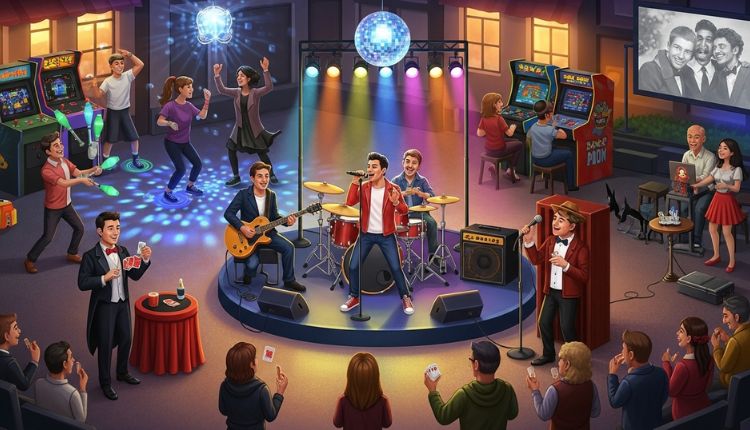
Whether streaming online, watching cable TV or enjoying live performances, audiences around the world are looking for compelling stories and engaging experiences. The evolution of shows has moved far beyond traditional formats and now includes drama series, reality, documentaries, talk, anime, games and more. With the growing popularity of digital platforms, Now more accessible than ever, offering endless possibilities for viewers of all interests.
This article takes an in-depth look at the modern world, how it influences culture, why viewers connect with it so strongly, and what the future holds for this rapidly expanding category of entertainment.
The evolution of storytelling
The shows played an important role in shaping society’s idea of storytelling. In earlier times, short episodes or serialised dramas were aired every week, creating a sense of anticipation. Today, streaming platforms have changed this rhythm. Binge-watching has replaced weekly viewing habits, allowing viewers to consume entire seasons at once.
The evolution of storytelling also reflects changes in technology, production quality and audience expectations. High-definition visuals, immersive sound design and cinematic techniques have been elevated to a level once reserved for movies. The characters are more complex, the narrative more layered, and the topics explored far more diverse. Modern viewers expect authenticity, emotional depth and relatability in what they choose.
Why viewers are attracted to visual stories
The rise in popularity of the shows can be traced to the emotional experience they create. People naturally connect with visual storytelling, and performances provide a unique blend of imagination and realism. They allow viewers to escape everyday life, explore different cultures and experience adventure without leaving home.
Another reason why they attract so many viewers is their variety of genres. From fantasy to romance, thriller to true crime, and sci-fi to comedy, every viewer can find something to suit their mood and interests. Together, these genres build an entertainment ecosystem where creativity flourishes. As a result, the show now serves as entertainment as well as a cultural reflection of global society.
Influence of streaming platforms
Streaming platforms have revolutionised the way shows are produced, distributed and consumed. Services like Netflix, Amazon Prime, Disney+, HBO Max and Hulu have created a global marketplace for content. Instead of waiting for TV programmes, viewers can now watch them anytime, anywhere.
This shift encouraged producers to experiment with new ideas and formats. International have gained enormous popularity and has broken language and cultural barriers. Korean dramas, Japanese anime, Spanish thrillers and Indian web series have found huge audiences around the world. By giving creators more freedom, streaming platforms have pushed the quality to new heights.
Character roles and emotional attachment
One of the reasons why they are so memorable is the strong emotional connection that viewers develop with the characters. Through a long narrative, characters have time to grow, change and create a deep connection with the audience. Viewers often see themselves reflected in the struggles, triumphs and relationships depicted on screen.
This emotional investment will keep viewers engaged for several seasons. People eagerly await new episodes, discuss theories and share fan content online. Shows with strong characters become cultural phenomena, influencing fashion, language and even social trends.
How does it show the influence on culture?
Shows have a significant influence on modern culture. They shape opinions, spark conversations and highlight important social issues. Many deal with topics such as mental health, diversity, gender equality and environmental awareness. By presenting these topics through relatable stories, help create awareness and educate audiences in a meaningful way.
Moreover, they are now the main driver of entertainment trends. Iconic scenes, catchy dialogues and memorable moments often go viral on social media. From fashion inspired by famous characters to tourist destinations in popular episodes, the impact extends far beyond the screen.
Behind the scenes of production
The process of creating shows is more complex than many viewers realise. It includes writing, casting, directing, filming, editing and marketing. The producers work tirelessly to ensure that each episode is engaging, visually appealing and emotionally resonant.
Modern use advanced CGI, special effects and digital editing techniques to create breathtaking visuals. Large productions can involve hundreds of people working behind the scenes. Set designers, costume designers, lighting experts and sound engineers contribute to the creation of the perfect final product.
Thanks to technological growth, today even low-budget films can achieve impressive quality. Filmmakers use drones, advanced cameras and software tools to bring their creative visions to life.
Audience and online community engagement
In the digital age, fans play a major role in shaping the success of shows. Online communities on social platforms like Facebook, X (Twitter), Instagram, Reddit, and TikTok allow viewers to share theories, opinions, and fan art. These communities keep alive long after episodes air.
Engagement also affects production decisions. When fans show strong interest, producers can renew for additional seasons. In some cases, intense audience response has even revived after cancellation. This interactive relationship between creators and viewers is one of the unique features of modern entertainment culture.
Live performances and reality shows
In addition to prerecorded series, live shows and reality-based content continue to attract huge audiences. Talent contests, talks, awards and live sports broadcasts connect viewers in real time. The unpredictable nature of live content creates a sense of excitement and community.
Reality has also carved a special place in entertainment, as they offer a mix of drama, humour, inspiration and raw human emotions. They provide a different type of connection and allow viewers to see into the lives of real people and unscripted situations.
Educational value and informational content
Shows are not just entertainment—they often serve educational purposes as well. Documentaries, science programs, historical series and investigative programs provide valuable information in an engaging format. Many viewers find it easier to learn from visual content than from traditional textbooks.
Educational games make learning fun using storytelling techniques, visuals and real-life examples.
They are not just entertainment—they often serve educational purposes as well. Documentaries, science programs, historical series, and investigative programs provide valuable information in an engaging format. Many viewers find it easier to learn from visual content than from traditional textbooks.
Education-focused learning makes learning enjoyable by using storytelling techniques, visuals, and real-life examples. They bridge the gap between knowledge and curiosity, especially for younger audiences. This is an excellent tool for both entertainment and intellectual growth.
The Future of Entertainment
The future of shows promises even more innovation. With advancements in artificial intelligence, virtual reality, and augmented reality, they may soon become interactive. Viewers might participate in stories, make decisions for characters, or explore virtual worlds based on the episodes they watch.
Short-form content optimised for mobile devices is also becoming increasingly popular. Social apps and video platforms continue to reshape how content is consumed. As attention spans change, creators experiment with formats that fit modern viewing habits while still delivering compelling stories.
No matter how technology evolves, one thing remains constant: the love audiences have for and the experiences they bring.
Conclusion
Shows have become a fundamental part of global entertainment, shaping culture, influencing trends, and connecting people worldwide. As storytelling evolves and technology advances, continue to push creative boundaries and deliver unforgettable experiences. From streaming platforms to live content, from realistic dramas to fantasy adventures, they offer something for everyone. Their power to entertain, educate, and inspire ensures that they will remain a dominant force in the entertainment world for many years to come.
FAQs
1. Why are they so popular today?
Shows are popular because they offer diverse genres, emotional storytelling, and convenient streaming access for viewers worldwide.
2. Which types are most watched globally?
Drama, reality, crime thrillers, and fantasy series often have the highest global viewership.
3. How have streaming platforms changed the world?
Streaming platforms allow on-demand viewing, more creative freedom for producers, international distribution, and binge-watching culture.
4. Are educational activities useful for learning?
Yes, education makes learning enjoyable by combining visuals, narratives, and real examples.
5. What is the future?
The future may include interactive storytelling, immersive VR experiences, and more personalised content using AI technologies.