
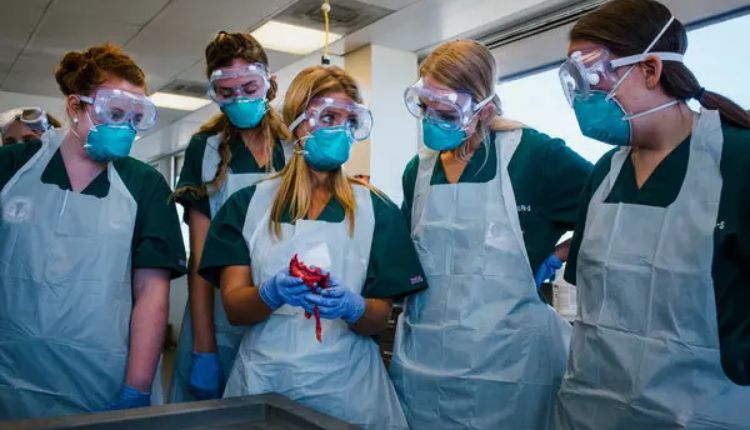
These images are primarily used for forensic, medical, and legal purposes. While the term “autopsy photo” often arouses curiosity and controversy, its true meaning lies in science, justice, and public health rather than sensationalism.
In modern forensic medicine, photographs play a vital role in preserving accurate visual evidence. They assist medical examiners, forensic pathologists, law enforcement agencies, and courts in understanding the cause and manner of death. However, due to their sensitive nature, the use, access and distribution of photographs are governed by strict ethical and legal rules.
This article examines the importance of photographs, their purpose, legal framework, ethical challenges, educational value, and common misconceptions, providing a comprehensive understanding of this important but often misunderstood topic.
What is an autopsy photograph?
A photograph is an image taken during a medical autopsy, which is a detailed examination of a dead body to determine the cause of death. These photographs document the physical condition, injuries, disease markers, and other findings observed during the examination.
Autopsy photos are not taken randomly. They are captured according to professional protocols to ensure accuracy, clarity, and relevance. Each photograph serves as a permanent visual record that complements written autopsy reports and medical observations.
These images are usually stored securely, and only authorised persons involved in medical, judicial or legal processes have access to them.
Why are photos taken?
Autopsy photographs exist for practical and professional reasons. Their purpose goes far beyond curiosity or public interest.
Photographs help medical examiners corroborate medical findings by providing visual evidence to support written documentation. They allow investigators to review details long after the physical examination is complete. In many cases, these images become critical when cases are re-examined years later.
They also assist in identifying patterns of injury or illness that may not be immediately apparent from the text alone. For example, subtle trauma, rare medical conditions or complex sequences of injuries can be better understood with photographic records.
Common uses of photographs
Autopsy photographs are used in several professional contexts, each with a specific purpose.
- Forensic investigations and criminal cases
- Court proceedings and legal evidence
- Medical education and training
- Public health research and mortality studies
In legal cases, photos can clarify whether a death was natural, accidental, homicidal, or undetermined. In medical education, carefully selected and anonymised images help students understand human anatomy, pathology, and disease progression.
Legal status of photographs
Legal regulation of autopsy photographs varies by country and jurisdiction. In many regions, these images are considered confidential medical or court records.
Access is usually limited to health professionals, police, lawyers, and courts. In some cases, immediate family members can request access, although this often requires formal consent.
Public release of photos is rare and usually occurs only in cases of strong public interest, such as high-profile legal cases. Even then, courts can limit what can be proven to protect privacy and dignity.
Unauthorised distribution of photos can lead to serious legal consequences, including fines and criminal charges.
Ethical considerations surrounding photographs
Ethics play a major role in how autopsy photos are handled. These images involve real people and grieving families, so respect and sensitivity are essential.
Doctors are trained to treat photographs as confidential material. Ethical guidelines emphasise dignity for the deceased and compassion for bereaved relatives.
It is generally considered unethical to use photos for anything other than educational or sensational purposes. Many professional organisations strictly prohibit the sharing of such images outside of an approved context.
Balancing transparency, fairness, and privacy remains one of the most challenging ethical issues related to autopsy imaging.
Photography in medical education
In a controlled academic environment, photographs serve as valuable educational tools. Medical students, forensic interns and pathology residents learn from real cases to improve diagnostic accuracy.
Educational use typically involves anonymization, removal of identifying elements, and careful selection of images. The emphasis is always on learning outcomes rather than shock value.
Through these images, students gain a deeper understanding of disease progression, trauma patterns, and anatomical variations that textbooks alone cannot always convey.
Photographs and criminal investigations
Autopsy photos can be crucial in criminal investigations. They help reconstruct the events leading up to the death and uncover inconsistencies in witness statements or suspect statements.
Forensic experts can analyze injury patterns, injury characteristics, and internal findings to determine timelines and mechanisms of injury. Photographs allow multiple experts to review these details independently.
In court, these images can be presented as evidence, although judges often regulate their display to prevent unnecessary emotional distress to jurors.
Public curiosity and misconceptions
The keyword “autopsy photo” is frequently searched online, often driven by curiosity, misinformation, or exposure to fictitious crime media. This has led to several misconceptions.
One common misconception is that photos are widely available to the public. In fact, access is severely restricted. Another misconception is that these images are taken for media purposes, which is not true in professional practice.
Media portrayals sometimes exaggerate or dramatise the role of photographs, creating unrealistic expectations about their availability and use.
Privacy and family rights
Families of the deceased often have strong feelings about autopsy photos. Many jurisdictions recognise the emotional impact these images can have and provide legal protection accordingly.
In some cases, families may request copies for personal reasons, such as understanding the cause of death or legal proceedings. However, authorities may reject requests if release could cause harm or disrupt an ongoing investigation.
Protecting family privacy is a key consideration in all decisions related to access to photographs.
Digital storage and security of autopsy photos
With modern technology, autopsy photos are stored digitally in secure systems. Strict access controls are used to prevent unauthorised viewing or sharing.
Medical institutions and forensic departments follow data protection protocols similar to those used for sensitive medical records. Encryption, audit logs, and restricted permissions are standard practices.
These measures are essential to maintain trust, comply with legal standards, and prevent misuse.
Cultural and Social Perspectives
Different cultures view death and post-mortem practices differently. In some societies, even the idea of photographing the deceased is deeply uncomfortable.
Cultural sensitivity is therefore important when conducting autopsies and handling related images. Professionals must respect religious beliefs, traditions, and social norms while fulfilling legal and medical obligations.
Understanding these perspectives helps ensure that autopsy practices are conducted with dignity and respect.
Responsible Discussion of Autopsy Photos Online
Online discussions about autopsy photos should always be approached responsibly. Sharing or requesting such images without proper authorisation is both unethical and, in many cases, illegal.
Educational discussions should focus on the role and importance of photos rather than the images themselves. This approach promotes awareness without causing harm or distress.
Responsible content creation helps maintain public trust in forensic and medical institutions.
Conclusion
Photos are powerful tools in forensic science, medicine, and law. Their primary purpose is to document findings accurately, support investigations, and advance medical knowledge. Despite public curiosity surrounding the term “autopsy photo,” these images are not meant for entertainment or casual viewing.
Legal restrictions, ethical guidelines, and cultural considerations all play a crucial role in how photos are handled. When used responsibly, they contribute to justice, education, and public health. When misused, they can cause significant harm.
Understanding the true purpose and limitations of photos helps replace curiosity with respect and awareness, ensuring that this sensitive subject is treated with the seriousness it deserves.
Frequently Asked Questions (FAQs)
Are photos available to the public?
In most cases, photos are not available to the public. They are considered confidential records and are shared only with authorised individuals.
Can family members request photos?
In some jurisdictions, immediate family members may request access, but approval depends on local laws and specific circumstances.
Are photos used in court?
Yes, photos may be used as evidence in court cases, though their presentation is usually carefully controlled.
Are photos graphic by default?
Not always. Many photos are clinical and focused on specific findings rather than being graphic or disturbing.
Why are photos important in forensic science?
They provide accurate visual documentation that supports written reports, helps reconstruct events, and ensures transparency in investigations.