
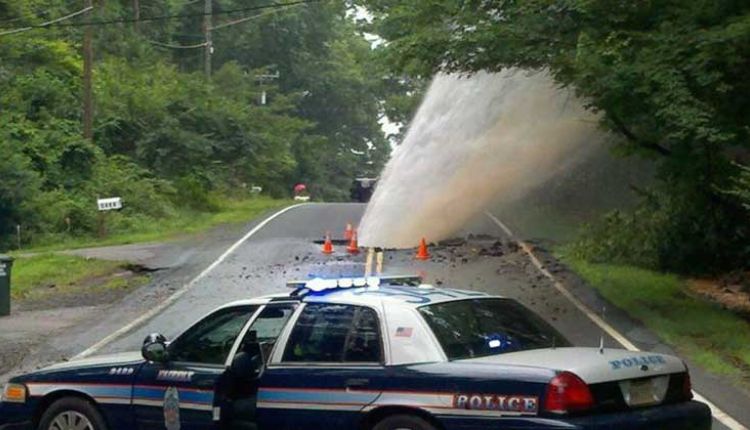
While the phrase can refer to different types of leaks—such as water main failures, sewage overflows, gas line problems, or even digital data leaks—the common factor is that any type of leak can seriously affect daily life, businesses, and public trust.
In a fast-growing city like Atlanta, where old infrastructure meets modern expansion, spill incidents aren’t just technical problems; they become social, economic and environmental challenges. Understanding what people typically mean by the term “Atlanta leak,” why such incidents occur, how they are handled, and what residents can do is important to staying informed and prepared.
This SEO guide explains the topic in detail with clear subheadings, bullet points, and actionable information so readers can understand the broader meaning of the “Atlanta leak” and its real-world impacts.
What does the “Atlanta leak” commonly refer to?
The phrase ‘escape from Atlanta’ does not refer to just one single event. Instead, it is often used as a blanket term to describe the various types of leaks that occur in the city or are associated with Atlanta’s systems and services. Most ofte,n people use it to talk about physical infrastructure leaks, but sometimes it can also refer to information leaks.
In many cases, people are referring to water or sewage leaks caused by aging underground pipes. Atlanta has large stretches of infrastructure that were built decades ago, and over time these pipes can crack, corrode or shift due to soil movement. When this happens, leaks can appear on roads, in neighbourhoods or near commercial areas.
However, “Atlanta leak” can also be used in online conversations to describe:
- Service system malfunctions
- Problems with the gas pipeline
- Problems with rainwater overflow
Exposure of digital or organisational data involving Atlanta-based entities
Because the phrase is broad, it is important to understand the context in which it is used. Local news may use it to describe flooding from a broken water pipe, while social media may use it more loosely for rumours or anecdotal information.
In general, when people seriously talk about an Atlanta leak, they’re usually referring to infrastructure-related issues that cause:
- Road closures
- Water supply interruption
- Property damage
- Environmental concerns
These incidents affect both residential and commercial areas, making them important city-wide issues rather than isolated technical glitches.
Common causes of major spills in Atlanta
Atlanta leak don’t happen by accident. There are clear technical and environmental reasons why Atlanta is experiencing spill-related incidents. Understanding these causes helps explain why such problems may recur over time.
One of the main reasons is the ageing of the infrastructure. Many of the city’s underground water and sewer lines are decades old. Materials like cast iron and older steel are more likely to crack as they weaken over time.
Another major cause is ground movement. Changes in soil moisture, construction activity and traffic pressure can displace underground pipes. Even small movements can create stress points that eventually lead to cracks or joint failure.
Other contributing factors include:
- Sudden pressure changes in water systems
- Corrosion from minerals in soil and water
- Penetration of tree roots into pipe joints
- Poor drainage during heavy rains
The weather also plays an important role. Heavy rain can overload drainage systems, while long dry spells can cause soil to shrink and expand again when moisture returns. This repeated cycle puts stress on underground systems.
In rapidly developing areas, construction projects can accidentally damage older pipes or increase the load on existing systems that were not designed for modern population levels. This combination of old systems and new requirements increases the likelihood of leaks.
Impact of spills on residents and daily life
When a spill occurs, the effects go far beyond the water on the street. For residents, leaks can disrupt normal routines and cause long-term inconvenience.
One of the immediate impacts is the interruption of the water supply. Homes and businesses can lose access to clean water for hours or even days during repairs. This affects cooking, cleaning, hygiene, and business operations.
Leaks can also lead to:
- Flooded basements or yards
- Road damage and traffic delays
- Increased water bills if leaks go unnoticed
- Mold growth inside buildings
For families, especially those with children or elderly members, water interruptions can mean serious health problems. Schools and hospitals also rely on stable water supplies, so even short outages can have far-reaching consequences.
Psychological stress is another overlooked effect. Constant infrastructure problems can make people feel insecure about safety and city services. Over time, repeated incidents can reduce trust in public systems and increase frustration among residents.
A neighborhood with frequent leakage problems may also face concerns about property values. Buyers are often hesitant to invest in areas known for infrastructure instability that can affect the long-term development of a community.
Environmental consequences of infrastructure leaks
Leaks are not just a human problem; they also affect the natural environment. When untreated sewage or contaminated water leaks into the ground or into nearby waterways, it can damage ecosystems.
Water leaks can cause soil erosion, weaken the soil and affect surrounding plants. Sewage leaks, on the other hand, introduce harmful bacteria into rivers, streams and lakes, making the water dangerous for wildlife and recreation.
Environmental risks associated with spills include:
- Contamination of drinking water sources
- Decline of fish population in polluted streams
- Spread of harmful microorganisms
- Damage to green areas and parks
Leaks of rainwater mixed with sewage can be particularly harmful, as heavy rain can carry pollutants over long distances. This means that a single leak can affect areas far from the original location.
Removing environmental damage is expensive and time-consuming. It requires water testing, soil remediation and sometimes long-term monitoring to ensure ecosystems are properly restored. Preventing spills is often much cheaper than repairing environmental damage after it occurs.
How the city detects and fixes leaks
Finding leaks underground is not easy. Most pipelines are buried deep, so cities use a combination of technology and public reporting to locate problems.
Modern detection methods include:
- Pressure monitoring systems
- Acoustic sensors that listen to pipe vibrations
- Flow analysis to detect unusual water consumption
- Camera inspections of sewer lines
However, residents still play a major role in reporting problems. Visible signs such as water pooling on roads, unusual odours or sudden drops in water pressure.
Once a leak is confirmed, repair crews usually follow these steps:
- Shut off the water or gas supply to the area
- Dig to access the damaged section
- Replace or seal broken pipe segments
- Test the system before restoring service
Some repairs can be completed within hours, while others may take days, depending on the size of the damage and road conditions. Major leaks may require full pipe replacement, which involves longer construction periods and traffic diversions.
To reduce future risks, cities often upgrade materials during repairs, replacing old pipes with modern corrosion-resistant alternatives. This helps improve system reliability over time.
Digital and Information Atlanta leak
While infrastructure leaks are the most common meaning, the phrase “Atlanta leak” is sometimes used online to describe data or information exposure involving Atlanta-based organisations.
These situations may involve:
- Accidental release of internal documents
- Unauthorised access to databases
- Social media account compromises
Digital leaks can affect personal privacy, financial security, and organisational reputation. For individuals, exposed data may include contact details or account information, which can increase risks of scams or identity misuse.
Organisations typically respond to such leaks by:
- Investigating how access occurred
- Informing affected users
- Strengthening cybersecurity systems
- Monitoring for further suspicious activity
Even though digital leaks are very different from water or gas leaks, both share a common theme: system vulnerabilities that need proactive maintenance and protection.
In today’s connected world, cities must protect both physical infrastructure and digital systems. Failure in either area can cause serious public concern and long-term consequences.
What Residents Can Do to Stay Safe and Informed
Residents are not powerless when it comes to leak-related problems. Staying alert and informed can help reduce risks and improve response times.
Here are practical actions people can take:
- Report unusual water pooling or odours immediately
- Monitor water bills for sudden increases
- Keep emergency water supplies at home
- Follow official city updates during repair work
- Avoid driving through flooded streets
For apartment residents, it is important to notify building management quickly, as internal pipe leaks can spread rapidly and damage multiple units.
Online, people should also be cautious about sharing or trusting unverified information related to “Atlanta leak”. Not all claims are accurate, and spreading rumours can create unnecessary panic.
Community involvement also helps. Neighbourhood associations that communicate regularly with city departments often receive faster responses and better long-term infrastructure planning.
Being proactive does not prevent leaks entirely, but it helps reduce damage and speeds up solutions when problems occur.
Long-Term Solutions and Infrastructure Planning
Preventing future Atlanta leak requires long-term investment and strategic planning. Cities like Atlanta face the challenge of upgrading systems while still meeting daily service demands.
Key strategies for long-term improvement include:
- Replacing aging pipes before failure occurs
- Using smart monitoring technology
- Improving construction standards
- Expanding drainage capacity in flood-prone areas
Funding is often the biggest challenge. Infrastructure projects are expensive, and budgets must balance schools, healthcare, transportation, and utilities. However, delaying repairs usually leads to higher costs later.
Urban growth also means that systems must be designed for future population levels, not just current needs. Planning ahead helps prevent overload situations that can cause repeated leaks.
Public awareness is also important. When residents understand the value of infrastructure investment, they are more likely to support long-term improvement projects and community initiatives.
Strong planning today leads to fewer emergencies tomorrow, making cities safer, cleaner, and more reliable for everyone.
Conclusion
The term ‘Atlanta leak’ represents more than just a broken pipe or a sudden problem. It reflects the complex challenges of maintaining infrastructure in a growing city while protecting both residents and the environment. Whether the issue involves water systems, sewage networks, gas lines, or even digital information, leaks highlight weaknesses that need attention, investment, and modern solutions.
By understanding the causes, impacts, and repair processes, residents can respond more effectively and support long-term improvements. While leaks may not be completely avoidable, better planning, faster reporting, and smarter technology can significantly reduce their frequency and damage.
A safer city depends not only on government action but also on informed and active communities that work together to protect shared resources.
FAQs
What is usually meant by “Atlanta leak”?
Most of the time, it refers to water, sewage, or gas infrastructure leaks within the city, though sometimes it can also mean digital or information leaks involving Atlanta-based organisations.
Are leaks dangerous to health?
Some leaks can pose health risks, especially sewage leaks that contaminate water or air. Clean water leaks are less dangerous but can still cause mould and structural damage.
How can I report a leak in my area?
Residents should contact local utility services or city maintenance departments as soon as they notice signs like water pooling, low pressure, or unusual smells.
Can leaks increase my water bill?
Yes, if a leak is on your property or in your building’s internal plumbing, it can cause higher water usage and increased bills.
What is the city doing to prevent future leaks?
Cities invest in pipe replacement programmes, monitoring systems, and improved construction methods to reduce long-term risks.
Are digital leaks connected to infrastructure leaks?
No, they are different issues. Infrastructure leaks affect physical systems, while digital leaks involve data and cybersecurity, but both require strong protection strategies.