
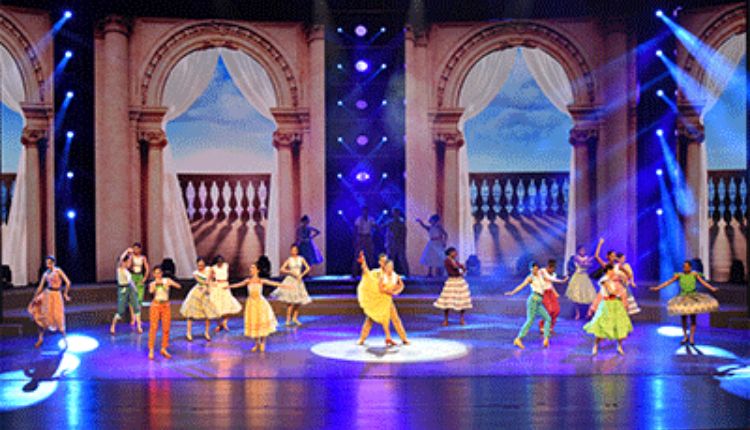
From ancient paintings and classical music to modern movies, video games, and digital art, artistic entertainment is constantly evolving with time and technology. It not only provides entertainment and relaxation but also plays a significant role in education, social awareness, and cultural identity. In today’s fast-paced digital world, artistic entertainment has become more accessible than ever, allowing people from diverse backgrounds to share their creativity with a global audience.
This article explores Arts entertainment in detail, covering its history, modern forms, digital influence, cultural impact, career opportunities and future trends. Each section explains how artistic entertainment shapes society and why it remains an essential part of human life.
The development of artistic entertainment through history
Arts entertainment have existed since the earliest human civilisations. Ancient people used art to tell stories, record events, and express spiritual beliefs. Cave paintings, traditional dances, and handmade instruments were some of the earliest forms of creative expression. Over time, these simple expressions grew into organised art forms such as theatre, music, sculpture, and literature.
In ancient civilisations, artistic entertainment often had great cultural and religious significance. Performances were associated with festivals, royal ceremonies and community celebrations. As societies evolved, artists began to focus more on creativity and storytelling, creating works intended not only for ritual but also for entertainment and education.
During the Middle Ages and the Renaissance, artistic entertainment became more structured. Painters, musicians and writers gained recognition, and art began to reflect human emotions, daily life and political thoughts. The invention of printing helped literature reach more people and increased the influence of storytelling and poetry.
In modern times, industrialisation and technology have once again transformed artistic entertainment. Photography, cinema, and recorded music changed the way people experienced creativity. Instead of watching live performances, people could enjoy the entertainment from their homes. This shift made artistic entertainment an everyday part of life rather than an occasional event.
Key historical events include:
- Transition from oral narrative to written literature
- The growth of theatre and live performance traditions
- The invention of film and recorded music
- Expanding global cultural exchange
These changes show that artistic entertainment is constantly adapting to the needs of society and the available technologies.
Modern forms of artistic entertainment in everyday life
Arts entertainment comes in many different forms today, so people can easily find something that fits their interests. Movies, television, music streaming, video games, digital illustration and social media creativity play a major role in modern entertainment culture.
Movies and series remain among the most popular forms of artistic entertainment. They combine storytelling, acting, visual design and music into powerful experiences that can influence fashion, language and social attitudes. The music is also constantly evolving, mixing traditional instruments with electronic sounds and global styles.
Video games have become a major artistic platform that combines graphics, music, storytelling and interactive design. Many games now focus on emotional storytelling and creative visuals, showing that games are not just for entertainment but also a form of digital art.
Social media has created new types of artists and entertainers. Short videos, digital drawings, sketch comedy and online performances allow individuals to reach large audiences without traditional media companies. This changed how fame and success worked in the entertainment world.
Common formats of modern art entertainment include:
- Movies and web series
- Music streaming and live concerts
- Digital art and animation
- Video games and virtual worlds
- Online content creation
These platforms allow people to both consume and create art, making art entertainment more interactive and personal.
The role of digital technology in artistic entertainment
Digital technologies have completely changed the way Arts entertainment are created, shared and experienced. Artists now use software for painting, music production, animation and video editing. This lowers production costs and gives more people a chance to become creators.
Streaming services allow users to watch movies, listen to music and enjoy live events from anywhere. This global approach helps artists reach international audiences without having to travel. Online platforms also allow independent creators to publish their work directly, reducing dependence on large companies.
Virtual reality and augmented reality present new ways to experience art and entertainment. People can attend virtual concerts, explore digital museums or interact with creative worlds using headphones and mobile devices. These experiences make viewers feel more connected to the art.
Digital tools also support collaboration. Artists from different countries can collaborate in real time and combine cultural ideas and creative styles. This leads to new hybrid forms of artistic entertainment that reflect global creativity.
The main impacts of digital technology include:
- Easier access to creative tools
- Global Content Distribution
- New immersive experiences
- Increased creative collaboration
Technology has not replaced traditional art but has expanded creative possibilities and audience reach.
The cultural influence of artistic entertainment on society
Arts entertainment strongly shape how people think, behave and understand the world. Movies, songs and stories often reflect social issues, cultural traditions and political ideas. They help spread awareness and stimulate discussion about important topics.
Cultural identity is preserved through artistic entertainment. Traditional music, dance, clothing and storytelling keep heritage alive and teach younger generations about their history. Festivals and performances celebrate cultural diversity and promote respect between communities.
Entertainment also influences language and fashion. Popular shows and musicians can introduce new words, styles and trends that quickly spread across countries. This creates shared cultural experiences between people who may never meet in person.
Artistic entertainment can also inspire social change. Many artists use their platforms to talk about equality, the environment and mental health. Creative storytelling can make serious topics more understandable and emotionally powerful.
Cultural contributions of artistic entertainment include:
- Preserving traditions and heritage
- Promoting social awareness
- Encouraging creative expression
- Building global cultural connections
Through creativity, artistic entertainment connects individuals and communities across social networks.
Education Development Through Arts Entertainment
Arts entertainment are not only for fun but also play an important role in learning and personal growth. Educational programs often use storytelling, music, and visuals to explain complex ideas in simple ways. This helps students stay engaged and remember information better.
Participating in arts activities builds important life skills. Acting improves confidence and communication. Music teaches discipline and teamwork. Drawing and writing encourage problem-solving and emotional expression. These skills are useful in many careers, not just creative fields.
Arts entertainment also support emotional health. Watching inspiring stories or listening to calming music can reduce stress and improve mood. Creative hobbies allow people to express feelings they may find difficult to explain with words.
For young people, arts programs can improve academic performance and social skills. Group projects teach cooperation and respect for different ideas, helping students develop empathy and understanding.
Benefits of arts and entertainment in education include:
- Improved creativity and critical thinking
- Better emotional expression
- Stronger communication skills
- Increased motivation to learn
This shows that arts and entertainment support both intellectual and emotional development.
Career Opportunities in the Arts Industries
The arts entertainment industry offers a wide range of career paths beyond acting and singing. Many behind-the-scenes roles are essential to creating successful projects. These include writers, designers, editors, technicians, and managers.
Digital platforms have created new job options such as content creators, game designers, digital marketers, and social media managers. People can now build personal brands and earn income through online creativity.
Training and education play important roles in these careers. Many professionals study art, media, or design, while others learn through practice and online courses. Talent, dedication, and creativity are key factors for success.
Although competition can be high, the industry continues to grow as demand for entertainment increases worldwide. New technologies also create new types of creative jobs that did not exist before.
Popular career areas include:
- Film and television production
- Music creation and sound design
- Graphic design and animation
- Game development and storytelling
- Online content production
With passion and continuous learning, arts and entertainment can become a sustainable and rewarding career path.
Challenges in Arts Entertainment
While arts entertainment offers many opportunities, it also faces challenges. Copyright protection, fair payment, and mental health support are important issues for creators. Digital sharing makes it easier for content to be copied without permission, reducing income for artists.
Another challenge is balancing creativity with commercial pressure. Sometimes creators must follow trends to earn money, which can limit artistic freedom. Maintaining originality while meeting audience expectations is not always easy.
There is also a responsibility to promote positive messages. Entertainment can influence behaviour, so creators should be mindful of how they portray violence, stereotypes, and sensitive topics, especially for young audiences.
Diversity and representation are also important concerns. Fair opportunities for different cultures, genders, and backgrounds help make the industry more inclusive and creative.
Key challenges include:
- Copyright and content protection
- Mental health support for creators
- Fair representation and inclusion
- Maintaining creative freedom
Addressing these issues helps create a healthier and more respectful arts and entertainment environment.
The Future of Arts Entertainment in a Global World
The future of arts entertainment looks exciting and innovative. Technology will continue to shape how people create and experience art. Artificial intelligence may help generate music, images, and stories, working alongside human creativity rather than replacing it.
Global collaboration will likely increase, blending cultural styles and languages into new creative forms. Online platforms will continue to connect artists with international audiences, creating more opportunities for cultural exchange.
Interactive entertainment is also expected to grow. Virtual concerts, online exhibitions, and immersive storytelling will allow audiences to become part of the experience rather than just observers.
Sustainability may become more important, with eco-friendly production methods and digital alternatives reducing environmental impact. Ethical content creation and fair business practices may also gain more attention.
Future trends may include:
- AI-assisted creative tools
- More virtual and interactive experiences
- Increased global artistic collaboration
- Focus on sustainable production
These developments suggest that arts and entertainment will remain dynamic, creative, and deeply connected to human expression.
Conclusion
Arts entertainment are more than just a source of fun; they are a powerful force that shapes culture, education, emotions, and social connections. From ancient traditions to modern digital creativity, it has always reflected human imagination and values. Technology has expanded its reach, allowing people to create and enjoy art in new ways, while cultural influence continues to build understanding between communities.
With growing career opportunities, educational benefits, and global connections, arts and entertainment remain essential in everyday life. Although challenges exist, responsible creativity and innovation can lead to a future where art continues to inspire, educate, and unite people around the world.
FAQs
What does ‘arts and entertainment’ mean?
Arts and entertainment refer to creative activities that provide enjoyment and cultural value, including music, movies, theatre, visual art, digital content, and games.
Why are arts and entertainment important in society?
It helps express emotions, preserve culture, educate people, and promote social awareness while providing relaxation and enjoyment.
Can arts and entertainment be a career choice?
Yes, there are many career paths, such as acting, design, writing, production, game development, and digital content creation.
How does technology affect arts and entertainment?
Technology provides new creative tools, global distribution platforms, and immersive experiences like virtual reality and online collaboration.
Is arts and entertainment useful for education?
Yes, it improves creativity, communication skills, and emotional development and helps make learning more engaging and memorable.