
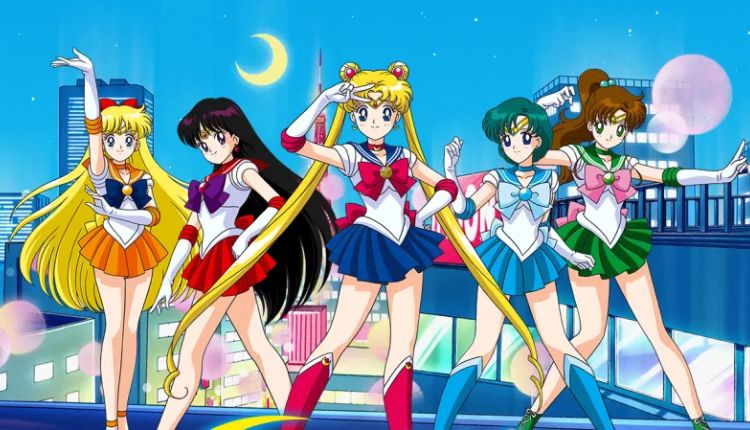
Anime offers a wide variety of genres to appeal to viewers of all ages, from action-packed adventures to heartwarming slice-of-life series. In this article, we’ll dive deep into the world of anime TV shows, exploring their history, genres, impact, and tips for newbies.
The rise of anime television shows
Anime TV show, a Japanese style of animation, originated in the early 20th century but gained significant worldwide attention in the 1980s and 1990s. Television shows became the central medium for anime, with popular series such as Dragon Ball, Sailor Moon, and Naruto leading the way. These shows combined compelling stories with unique animation styles to create an immersive experience that traditional cartoons often lacked.
Anime TV shows differ in that:
- Detailed artwork: Vibrant colours and strong characters make the anime visually appealing.
- Complex Narratives: Many series feature complex plots and character development.
- Cultural References: Often reflect Japanese traditions, social norms, and philosophical themes.
Today, anime television shows are streamed worldwide through platforms such as Crunchyroll, Netflix, and Funimation, making them accessible to a global audience.
Popular genres in anime tv shows
One of the reasons anime has become so popular is its diversity. There is a genre for almost every interest:
- Shonen (Young Boys): Aimed at a young male audience, the shonen series features action, adventure, and friendship. Popular examples include One Piece, My Hero Academia, and Attack on Titan.
- Shojo (Young Girls): Focused on romance, emotion and personal growth, shojo anime captivates younger viewers. Examples include Fruits Basket and Cardcaptor Sakura.
- Seinen (Adult Men): These series offer more mature themes, often including psychological elements, violence, or complex politics. Tokyo Ghoul and Berserk are notable examples.
- Josei (Adult Women): This category includes series like Nodame Cantabile and Honey and Clover, focused on mature romance and realistic life challenges.
- Slice of Life: These shows depict everyday experiences in a realistic or heartwarming way, like Clannad or March Comes in Like a Lion.
- Fantasy and Adventure: Anime with imaginative worlds, magical powers, and epic quests. Sword Art Online and Fullmetal Alchemist are fan favourites.
- Sci-Fi and Mecha: Shows with futuristic settings, robots or space adventures. Classic examples are Neon Genesis Evangelion and Gundam.
- Comedy: Hilarious and funny series designed for entertainment, including One Punch Man and Gintama.
- Horror and Thriller: Darker anime that focuses on suspense, fear, or supernatural themes. Next and Parasyte are examples.
Why are anime TV shows so popular?
Anime TV show have become a cultural phenomenon for several reasons:
Relatable Characters: Viewers often mirror themselves in anime characters, creating a strong emotional connection.
Diverse Storytelling: Anime explores themes from friendship and love to existentialism and politics.
Artistic Innovation: Unique animation techniques and detailed artwork make anime visually distinct.
Global Availability: Streaming services and fan communities have made anime accessible to audiences around the world.
Commodity Culture and Fandom: Anime has inspired a thriving fan culture, including cosplay, collectibles, and conventions.
The influence of anime on global entertainment
The anime TV show has influenced various aspects of global entertainment. Hollywood movies, video games, and graphic novels often draw inspiration from Japanese animation. Series like Pokémon and Naruto have spawned international sales of merchandise, video games, and movies, proving that anime is more than just a TV show—it’s a cultural phenomenon.
How to start watching anime tv shows
For newcomers, anime can be overwhelming due to the sheer number of series available. Here’s a simple guide to get started:
- Choose a genre: Determine your interests – whether it’s action, romance, comedy or horror.
- Start with popular series: Watching highly acclaimed series will help you understand the style and themes of anime.
- Use legal streaming platforms: Crunchyroll, Funimation, Netflix, and Amazon Prime offer extensive anime libraries.
- Get involved in fan communities: Reddit, Discord, and social media groups are great for referrals and discussions.
- Don’t Judge by Art Style Alone: Anime art styles vary widely; focus on the story and characters first.
Recommended Anime TV Shows for Beginners
- Naruto—A classic shonen series filled with adventure and personal growth.
- Attack on Titan—Known for its intense story and complex characters.
- Your Lie in April—A moving slice-of-life series focusing on music and emotion.
- One Punch Man—A comedic take on superhero tropes.
- Fullmetal Alchemist: Brotherhood—The perfect blend of action, philosophy and character development.
Challenges in the anime industry
While anime TV shows continue to grow, the industry faces challenges such as:
- Production pressure: Animators often work long hours under tight deadlines.
- Limited resources: Smaller studios may struggle with funding and staffing.
- Piracy: Unauthorised distribution affects the revenue and sustainability of the series.
- Cultural barriers: Some anime themes may not have a global audience due to cultural differences.
Despite these challenges, the anime industry has adapted through digital platforms, international collaboration, and fan engagement.
The Future of Anime TV Shows
The future of anime TV show looks promising. With advances in animation technology, virtual reality, and artificial intelligence-assisted production, anime storytelling is poised to become even more immersive. Global streaming platforms continue to invest in original anime content, ensuring that the genre reaches a wider audience than ever before.
In addition, cross-cultural collaborations between Japanese studios and international creators create innovative series that combine different storytelling styles. Anime conventions and fan events around the world indicate that fandom will continue to grow, making anime a permanent part of global entertainment.
Conclusion
Anime television shows have evolved from niche Japanese entertainment to a global cultural phenomenon. They offer rich narratives, diverse genres, and unique artistic styles that captivate audiences around the world. Whether you’re drawn to action-packed adventures, heartwarming slice-of-life stories, or dark psychological thrillers, there’s an anime TV show for everyone. By exploring this fascinating medium, audiences can experience stories that entertain, inspire and leave a lasting impact.
Anime TV Show FAQ
Q1: What is the best way to watch anime legally?
A1: The best way is to use streaming platforms like Crunchyroll, Funimation, Netflix, or Amazon Prime. These platforms offer a wide range of anime with subtitles and sometimes dubbed versions.
Q2: Are anime TV shows only for children?
A2: No. While some anime target younger audiences, many series are designed for teens and adults, exploring mature themes and complex narratives.
Q3: How many anime genres are there?
A3: There are numerous genres, including shonen, shojo, seinen, josei, slice of life, fantasy, sci-fi, comedy, horror, and more.
Q4: Can I start watching anime if I don’t know Japanese?
A4: Absolutely. Most anime is available with English subtitles or dubbed versions, making it accessible to non-Japanese speakers.
Q5: How can I choose the right anime for me?
A5: Consider your interests, explore popular series, read reviews, and engage with anime communities to find recommendations that suit your preferences.