
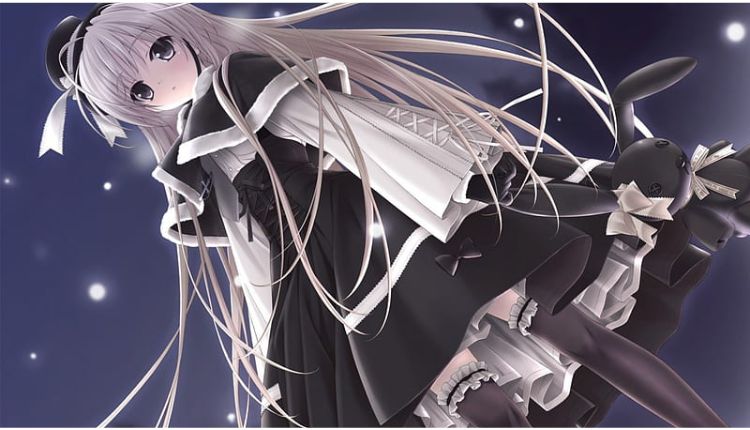
One popular and often discussed archetype is the dominant character, commonly searched on the internet as “anime doms”. In storytelling, dominance does not mean aggression or negativity; instead, it often represents self-confidence, leadership, emotional strength, and the ability to influence others. These characters play a significant role in shaping plot direction, emotional growth, and dramatic tension.
In this article, we’ll explore what “anime doms” mean in a narrative sense, how these characters are written, why they draw fans to them, and how dominance can appear in many healthy and respectful forms within anime stories.
What does “Anime Doms” mean in the character narrative
In discussions of anime, the term “anime doms” usually refers to characters who take it naturally in relationships, battles, or social situations. These characters often lead others, make firm decisions, and display strong self-confidence. However, dominance in anime is not limited to physical strength; it also includes emotional intelligence, strategic thinking and moral leadership.
Dominant characters often serve as anchors in a story. They stabilise teams, push others to grow, and sometimes challenge weaker personalities to improve. This type of dominance is often shown through calm authority rather than loud behaviour. Many popular protagonists and supporting characters fall into this category, even if they aren’t the physically strongest of the bunch.
Dominance can manifest itself in different ways:
- Leadership in group settings and missions
- Emotional stability in moments of crisis
- Strategic decision-making skills
- Protective behavior towards friends or teammates
- Confidence in personal beliefs and goals
In many genres of anime, such as action, sports, fantasy, and even slice-of-life, dominant characters are essential because they create movement in the plot. Without them, stories can lack direction or emotional power.
Importantly, dominance in the anime narrative is not about unfairly controlling others. Well-written dominant characters respect boundaries and value teamwork. Their authority is earned through trust, experience, or moral consistency, not fear. This is why audiences often admire them rather than being uncomfortable around them.
Understanding this helps separate healthy narrative dominance from negative behaviour, making the term “anime doms” more about character strength than harmful control.
Dominant character types commonly seen in anime
Dominant characters in anime do not follow one personality type. Writers use many different styles of dominance to make stories interesting and emotionally balanced. Some characters lead through kindness, while others lead through strict discipline, and both styles can be effective depending on the situation.
One common type is the quiet strategist who rarely raises his voice but always knows what to do next. These characters lead others with logic and experience. Another type is the bold motivator who pushes teammates with loud cheers and emotional speeches. Both styles create dominance, but in very different ways.
There is also a type of protective guard who steps in when others are in danger and takes responsibility for safety. This kind of dominance is rooted in care and loyalty. Meanwhile, the competitive leader dominates through competition and constantly challenges others to improve and become stronger.
Common dominant archetypes include:
- Calm and intelligent tactician
- Charismatic and energetic leaders
- Protective figures of an older brother or older sister
- Rival characters who push others to improve
- Strict mentors who value discipline and growth
What makes these characters popular is that they often bring emotional stability to chaotic situations. When problems arise, dominant characters usually take the initiative and don’t wait for someone else to act. This gives the audience a sense of security and direction in the story.
Writers also use dominance to explore internal struggles. Some characters feel the pressure of always being in charge, while others struggle to balance leadership and personal freedom. These emotional conflicts make the dominant characters feel more human than perfect.
This diversity is why the keyword “anime doms” covers such a wide range of personalities and approaches to storytelling rather than a single stereotype.
Why viewers are drawn to dominant anime characters
Many viewers are naturally drawn to dominant characters because they represent confidence, clarity, and emotional strength. In stories filled with danger or emotional challenges, these characters often provide stability and guidance, which is comforting to the audience.
Dominant characters also tend to be anime doms, meaning they move the story forward rather than reacting to events. This makes the scenes with them more dynamic and engaging. When a character steps up and takes charge, it creates an emotional impact and heightens the tension in a meaningful way.
Another reason audiences like dominant characters is personal inspiration. Viewers can admire qualities such as courage, determination, and leadership and imagine applying similar confidence in their own lives. Fiction allows people to safely explore strong personalities without the risks of the real world.
Reasons why fans appreciate dominant anime characters include:
- They create clear direction in chaotic situations
- They often protect weaker or struggling characters
- They inspire the personal growth of others
- They bring emotional trust to relationships
- They make difficult decisions when others hesitate
In addition, dominant characters are often given complex backstories. Their confidence may come from past struggles, losses, or intense training. Learning how they became powerful adds emotional depth and their authority feels earned rather than forced.
It is also important to note that viewers do not only admire the dominance itself but also how it is balanced with kindness, respect and responsibility. The most popular dominant characters are usually those who listen to others and value teamwork instead of acting alone.
This balance between strength and empathy is what makes dominant characters memorable and emotionally powerful within anime stories.
Dominance vs. Control: Healthy Power Dynamics in Anime
A very important topic when discussing anime houses is the difference between healthy dominance and harmful control. Good storytelling makes it clear that leadership should not erase personal freedom or dignity. Healthy dominant figures encourage others to grow, while unhealthy controlling ones limit growth and independence.
In positive portrayals, dominant characters lead rather than coerce. They can challenge others, but they also respect opinions and admit mistakes. This creates relationships based on trust instead of fear, which is essential for the long-term development of the story.
Healthy dominance in anime often includes:
- Encouraging others to develop their own strengths
- Listening to teammates’ ideas
- Accepting responsibility for failures
- Protecting others without isolating them
- Allowing emotional vulnerability when needed
In contrast, characters who use threats, manipulation, or emotional pressure are usually portrayed as villains or flawed individuals who must change. Anime frequently shows that abuse of power leads to conflict and emotional damage, reinforcing the idea that control is not the same as leadership.
This distinction helps younger viewers and general audiences understand positive relationship dynamics. Anime does not usually glorify harmful authority when written responsibly. Instead, it often teaches that true strength comes from cooperation and emotional understanding.
By presenting both healthy and unhealthy examples, anime encourages viewers to recognise the value of mutual respect. This makes dominant characters more than just powerful figures; they become emotional role models when written well.
So when people search for “anime doms”, the healthiest interpretations are those focused on confident leadership, emotional strength, and supportive influence rather than negative control.
How Dominant Characters Shape Story Development
Dominant characters are often major drivers of plot progression. They initiate missions, make strategic decisions, and push others into action when hesitation might stall the story. Without such characters, many anime doms narratives would move much more slowly or feel directionless.
These characters often serve as emotional turning points. When they struggle, it affects everyone around them. When they succeed, it motivates others. This emotional influence strengthens relationships and deepens character bonds within the story.
Ways dominant characters shape stories include:
- Leading major conflicts or battles
- Making moral decisions that affect the group
- Challenging weak characters to improve
- Sacrificing personal comfort for others
- Acting as mentors or emotional guides
Dominant characters also help explore themes of responsibility and leadership pressure. Being in charge is not always easy, and anime often shows the emotional cost of protecting others. This adds realism and emotional depth to otherwise action-focused stories.
In long-running series, dominant characters may evolve, becoming less strict and more emotionally open over time. This character development keeps the story fresh and shows growth rather than static power.
Because of these narrative roles, dominant characters are essential tools for writers. They connect emotional arcs, action sequences, and relationship development into a cohesive story experience.
Representation of Dominance Across Different Anime Genres
Dominance appears differently depending on the genre of anime. In action and fantasy anime, dominance often involves physical strength and tactical leadership. In sports anime, it appears through mental toughness and motivational skills. In slice-of-life stories, dominance may be shown through emotional maturity and social confidence.
Each genre adapts dominance to fit its storytelling needs. For example, in competition-based series, dominant characters push others to train harder and improve skills. In romantic or school-based stories, dominance may show up as emotional support and protective instincts.
Genre-based examples of dominance include:
- Action: battlefield leadership and sacrifice
- Sports: motivating teammates and strategy planning
- Slice-of-life: emotional guidance and stability
- Fantasy: moral leadership during dangerous quests
- Drama: taking responsibility for difficult choices
This flexibility makes the “anime doms” concept very broad and adaptable. It is not limited to a single personality type or storytelling role. Instead, dominance becomes a tool that writers shape to match the emotional goals of each genre.
This variety also prevents dominance from becoming repetitive. Audiences can enjoy strong characters in many different contexts without feeling that stories are predictable.
Understanding this genre diversity helps explain why dominant characters remain popular across so many different anime styles and audience groups.
Psychological Traits Behind Dominant Anime Characters
Well-written dominant characters usually have strong psychological foundations. Their confidence often comes from experience, discipline, or deep personal values. They tend to show emotional control, decision-making ability, and responsibility toward others.
However, dominance does not mean emotional coldness. Many dominant characters feel intense concern for their teammates and may even struggle with fear of failure. These emotional layers make them relatable and realistic rather than one-dimensional.
Common psychological traits include:
- High sense of responsibility
- Strong personal values or moral codes
- Emotional self-control under stress
- Willingness to protect others
- Desire to improve themselves and their group
Some characters become dominant because they had to grow up quickly or face difficult situations early in life. Others gain dominance through training, mentorship, or repeated success. These backgrounds add depth and explain why they naturally take charge.
Anime often uses dominant characters to explore leadership anxiety. Being relied upon can be stressful, and stories sometimes show moments where leaders feel unsure or overwhelmed. These moments humanise them and strengthen audience connection.
This psychological realism is one reason dominant characters feel powerful yet emotionally believable within anime narratives.
The Future of Dominant Character Archetypes in Anime
As anime storytelling continues to evolve, dominant characters are becoming more emotionally complex and balanced. Modern anime often focuses on teamwork and shared leadership rather than single heroic figures. This shift allows dominance to be shown through cooperation instead of command.
Future dominant characters are likely to display stronger emotional intelligence, communication skills, and respect for group opinions. Instead of always being the strongest, they may become the best at understanding people and guiding emotions.
Trends in modern dominance portrayals include:
- Shared leadership instead of strict authority
- Emotional communication and empathy
- Collaborative decision-making
- Respect for individual strengths
- Reduced focus on physical power alone
This change reflects real-world leadership values, where listening and teamwork are seen as essential skills. Anime mirrors this by creating leaders who grow alongside their teammates instead of standing above them.
These evolving portrayals help ensure that dominant characters remain relevant and inspiring to new generations of viewers. They continue to represent strength, but with added emotional maturity and social awareness.
So the concept of “anime doms” is not disappearing but transforming into more balanced and emotionally intelligent character styles.
Conclusion
The keyword “anime doms” represents much more than simple authority or strength. In anime storytelling, dominant characters are often leaders, protectors, motivators, and emotional anchors. Their influence shapes plot direction, character development, and emotional depth across many genres.
Healthy dominance in anime is built on confidence, responsibility, and respect, not control or fear. These characters inspire others to grow, face challenges, and believe in themselves. Their popularity comes from a mix of emotional stability, inspiring leadership, and compelling personal struggles.
As anime evolves, dominant characters continue to adapt, becoming more emotionally intelligent and cooperative while still maintaining strong leadership roles. This balance ensures that dominant archetypes remain meaningful, relatable, and powerful in modern storytelling.
FAQs
What does “anime doms” usually mean in fan discussions?
It usually refers to dominant character personalities who show leadership, confidence, and influence over group decisions, not harmful control or aggression.
Are dominant characters always the main heroes in anime?
Not always. Sometimes they are mentors, rivals, or supporting characters who guide the main protagonist and influence story direction.
Is dominance in anime always about physical strength?
No. Many dominant characters lead through intelligence, emotional maturity, or strategic thinking rather than physical power.
Why are dominant characters so popular with viewers?
They provide stability, confidence, and emotional strength during conflicts, which makes stories feel more inspiring and engaging.
Do modern anime still use dominant character archetypes?
Yes, but with more focus on teamwork, emotional intelligence, and shared leadership rather than strict authority.