
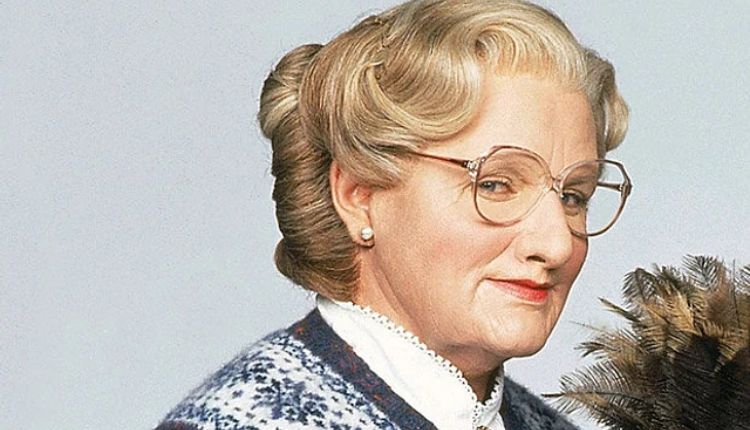
For example, viewers often ask, “Which actor played this character?” This simple phrase connects audiences to performances, careers and storytelling itself. In entertainment media, an actor and a character are deeply connected, and how an actor plays a role can define the success of an entire project.
In this article, we’ll explore how the concept of a feature actor relates to casting, performance quality, audience expectations, career growth, and cultural impact. We’ll also discuss why people search for this keyword so often and how it helps viewers discover more about their favourite stories and stars.
What does “actor played” really mean in entertainment?
The term ‘cast member’ refers to the relationship between the performer and the character they portray. When the audience says, “an actor played a hero,” they are recognising the individual who brought that fictional or real person to life. This connection is not just about looks; it’s about emotion, behaviour, voice, and personality.
In storytelling, characters exist on paper, but actors transform these written descriptions into believable people. The phrase played by the actor emphasises this transformation process. He acknowledges that the same character could feel completely different if played by a different part. This is why casting decisions in film and television are so important.
People use this phrase in many common situations, such as when they forget the actor’s name but remember the character. They can also use it to track an actor’s career in different projects. This is why entertainment databases, blogs, and fan sites often organise content using phrases like “actor” to link roles to performers.
Common reasons why audiences search using this keyword include:
- Searching for the name of an actor who played a favourite character
- Discovering other movies or shows where the same actor plays important roles
- Comparing how different actors played similar types of characters
- Learning about the career paths of popular performers
For these reasons, the feature actor becomes a bridge between curiosity and knowledge in entertainment culture.
Choosing the right actor for the right role
Casting is one of the most critical steps in manufacturing. When producers and directors choose who will play a role, they decide how the audience will experience the story. The phrase an actor plays’ only makes sense if the cast matches the character’s personality, age, emotional depth, and background.
A well-cast actor can make a complex and memorable impression even in a simple character. On the other hand, bad casting can disrupt the audience’s relationship with the story. This is why casting directors spend months reviewing auditions and screen tests before finalising a decision.
Actors also bring their own life experiences, training and emotional understanding to the role. These elements affect the way they interpret dialogue and behaviour. When people say “this actor played the part perfectly,” they are often responding to how natural and convincing the performance feels.
Several factors influence cast selection, including:
- Physical appearance matches character description
- Acting and emotional range
- Chemistry with other cast members
- Audience expectations and popularity
- Ability to handle challenging scenes or stunts
When the role is played by the right actor, the character can become iconic. Over time, people may even permanently associate the character with the actor, making it difficult to imagine anyone else playing the same role.
How an Actor Plays a Role: Acting Techniques
When we say that an actor played a character, we are talking about a combination of technical skill and emotional expression. Acting is not just memorising lines. It involves understanding a character’s motivations, fears, desires, and relationships with others.
Professional actors carefully study scripts to identify emotional rhythms and character development. They often create backstories for their roles, even if those details never appear on screen. This preparation helps them react naturally during scenes.
Performance techniques vary depending on the acting style. Some actors focus on realism; others use more dramatic expressions. In any case, the point is to make the character believable and emotionally engaging.
Actors can work on several important elements, such as:
- Voice control and speech patterns
- Facial expressions and body language
- Emotional memory and imagination
- Timing and reactions to other actors
- Maintaining consistency across scenes
These skills determine how successfully an actor plays a role. When audiences feel connected to a character, it’s usually because the actor has managed to convey complex emotions in a way that feels real and relatable.
The phrase ‘an actor plays’ becomes powerful because it represents the effort, training and creativity behind each performance that the audience will enjoy.
Famous examples of career-defining roles
Many actors become famous because of one role that they played exceptionally well. In such cases, the phrase that the actor played becomes closely associated with a specific character. These roles can turn unknown artists into global stars and change the course of their careers.
Career-defining roles often require emotional intensity, physical transformation, or long-term commitment through multiple seasons or sequels. Once an actor becomes firmly attached to a character, they may receive similar types of roles in future projects.
However, this strong association can be both positive and challenging. While this brings fame, it can also lead to typecasting, where audiences and producers expect an actor to always play similar characters.
Examples of career impact often include:
- Gaining international recognition after one successful role
- Winning awards and nominations for outstanding performances
- After that, projects with a higher budget were offered
- Becoming a cultural icon associated with a particular character
In these cases, the words they played carry emotional weight for fans who remember how deeply the performance affected them. These roles become part of popular culture and continue to be discussed years after release.
How viewers search for “actor played” information online
In the digital age, people often search online to learn more about the movies and shows they like. The keyword actor played is popular because it directly connects the character’s curiosity with the artist’s identity. Viewers can remember a face or voice, but not a name, so they search by role instead.
Search engines, fan sites, and entertainment platforms often structure their content to quickly answer these questions. Articles, cast lists, and biographies use phrases like “played”.
This type of search behaviour reflects how audiences interact with storytelling today. They do not just watch; they research, discuss, and share information about performances.
Common online searches include:
- They played the villain in a famous movie
- They played a supporting role in a popular series
- They played the young version of the main character
- An played multiple characters in the same show
These searches help fans connect different stories and follow their favourite actors across different projects. As a result, the phrase ‘played’ becomes an important part of online entertainment discovery.
Cultural Impact of Memorable Performances
When an actor plays a role that resonates deeply with audiences, it can influence fashion, language, attitudes, and social discussions. Memorable performances often go beyond entertainment and become part of everyday culture.
People may quote famous lines, copy hairstyles, or adopt behaviours inspired by characters. In these cases, the phrase ‘actor played’ represents more than just casting; it represents cultural influence.
Some performances also raise awareness about social issues by portraying realistic struggles and emotions. These roles can encourage empathy and understanding among viewers.
Cultural influence may appear in many forms, such as:
- Popular phrases entering everyday speech
- Increased interest in themes shown in the story
- Fan communities are forming around characters
- Artistic inspiration for other creators
When an actor plays a role that captures the public imagination, the character can live on long after the show or movie ends. This lasting influence shows how powerful storytelling and performance can be when combined effectively.
Challenges Actors Face When Playing Different
Not every role is easy to perform. Actors often face physical, emotional, and psychological challenges when playing demanding characters. The phrase ‘actor played’ may sound simple, but behind it can be months of preparation and intense effort.
Some roles require physical changes, such as weight gain or loss, special training, or learning new skills. Others demand emotional vulnerability, especially when portraying grief, conflict, or moral struggle.
Actors must also adapt to different genres, from comedy to drama to action. Each style requires different performance techniques and emotional control.
Common challenges include:
- Maintaining emotional energy during repeated takes
- Separating personal feelings from character emotions
- Performing complex scenes under time pressure
- Adjusting to director feedback and script changes
Despite these difficulties, actors continue to take on challenging roles because these experiences help them grow professionally and artistically. When audiences appreciate a performance, they are often recognising the hard work hidden behind the final result.
Future Trends in How Actors Play Roles in Modern Media
The way actors play roles is evolving with changes in technology and storytelling formats. Streaming platforms, digital effects, and interactive media are creating new types of performances that did not exist before.
Actors now work in projects that use motion capture, virtual sets, and computer-generated characters. In these cases, the phrase ‘actor played’ may refer not only to physical appearance but also to voice, movement, and emotional expression captured digitally.
Long-form storytelling in series also allows actors to develop characters over many hours of screen time. This gives more space for gradual emotional growth and complex character arcs.
Future trends may include:
- More international casting across global platforms
- Blending live action with animated elements
- Greater focus on diverse character backgrounds
- Interactive storytelling where viewers’ choices affect character behaviour
As media continues to change, the relationship between actor and character will remain central to storytelling. The phrase ‘played’ will continue to represent the human connection that makes stories meaningful, even as technology advances.
Conclusion
The keyword actor played may seem simple, but it represents one of the most important relationships in storytelling: the connection between performer and character. From casting decisions and acting techniques to audience searches and cultural impact, this phrase connects viewers to the heart of entertainment.
Actors bring stories to life by transforming written characters into emotional, believable people. When an actor plays a role well, the character becomes memorable, inspiring, and sometimes unforgettable. That is why audiences continue to search, discuss, and celebrate performances using the phrase played.
In a world filled with stories, the actor remains the bridge between imagination and reality, turning scripts into experiences that move, entertain, and inspire millions.
FAQs
- Why do people search for the keyword “actor played”?
People search for the actor who played a specific character when they want to know who performed a specific character or when they want to find other roles done by the same performer. It helps connect characters to real people.
- Does the way an actor plays a role affect the success of a movie or show?
Yes, performance quality strongly influences how audiences feel about a story. A convincing performance can make characters relatable and emotionally engaging, which increases overall success.
- Can the same character feel different if played by another actor?
Absolutely. Different actors bring different personalities, emotions, and interpretations to the same role, which can change how the character feels to the audience.
- Why do some roles become strongly associated with one actor?
When an actor delivers a powerful or iconic performance, audiences may connect that character permanently with the performer, making the role a defining part of their career.
- How is modern technology changing how actors play roles?
Technology now allows actors to perform using motion capture, digital environments, and virtual characters, expanding the ways performances can be created and experienced.