
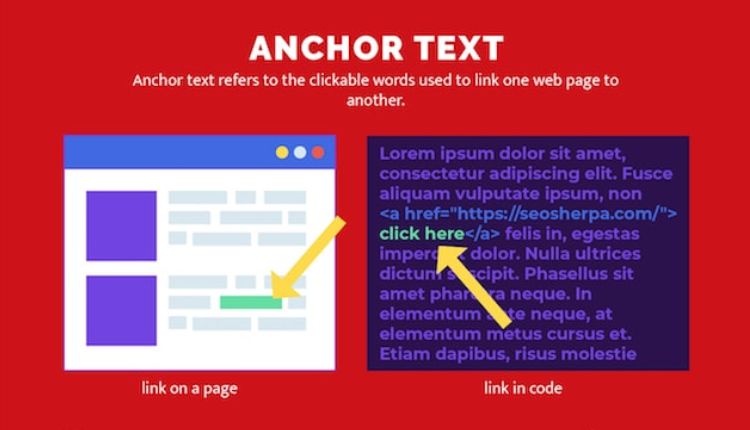
Simply put, ‘text’ refers to clickable words or phrases in a hyperlink. These words give both users and search engines context about what the linked page is about. When used correctly, anchor text can significantly improve website visibility, search rankings, and user experience. It can also trigger search engine penalties when used incorrectly or over-optimised. This makes understanding text essential for anyone involved in SEO, content marketing, or digital publishing.
In modern SEO, text is no longer just about stuffing keywords into links. Search engines have evolved to analyse intent, relevance, and natural usage patterns. As a result, your text strategy must be balanced, user-centric, and aligned with the broader content goals. This article examines text in detail, covering its definition, types, SEO importance, best practices, common mistakes, and future trends, all while maintaining a practical and up-to-date perspective.
What is anchor text, and how does it work?
Anchor text is visible, clickable text in a hyperlink. It is usually shown in a different colour and may be underlined to make it clear that it is a link. When the user clicks on the text, they will be redirected to another web page, document or section on the same page. For search engines, text acts as a signal to help them understand the topic and relevance of the linked content.
Search engine crawlers analyse text to determine how pages are linked on the web. If many reputable websites link to a page using relevant text, search engines can interpret that page as authoritative on that topic. However, the relationship between text and rankings is complex. It includes factors such as link quality, domain authority, relevance, and natural distribution patterns.
The role of text in SEO
Anchor text plays a vital role in how search engines interpret content relationships. It helps search engines understand the subject of the linked page and how it relates to the linked page. This relationship building is one of the core concepts of SEO.
From an SEO perspective, text contributes to keyword relevance, current authority, and internal link structure. When internal links use descriptive text, they help distribute link equity throughout the site and direct users to important pages. On the other hand, external text can affect how search engines perceive a site’s trustworthiness and credibility.
Although text is powerful, it must be used with care. Excessive use of exact-match text can appear manipulative, while vague or generic text can lack opportunities to provide context. The key lies in balance and relevance.
Types of anchor text
Understanding the different types of anchor text is essential to creating a natural and effective linking strategy. Each type serves a different purpose and has its own SEO implications.
Exact match of text
Exact match text uses the exact keyword that the linked page is targeting. For example, linking the phrase “text” directly to a page optimised for that keyword. This type of text can be powerful but risky if overused.
text partial match
Partial match text contains variants or other words in addition to the main keyword. This approach is often safer and more natural than using an exact match because it provides context without feeling forced.
Brand text
The tag text uses the tag name as clickable text. This is common with natural backlink profiles and is considered very safe from an SEO point of view. It helps build brand awareness and trust.
General text
General text includes phrases like “click here”, “read” or “learn more”. While not descriptive from an SEO perspective, it can still be useful for user experience when used sparingly.
Anchored URL Text
This type of text uses the URL itself as the clickable element. Commonly found in testimonials, quotes, and social media posts.
Image text
When an image is linked, the image’s alt attribute acts as text. Optimising image alt text is therefore important for both accessibility and SEO.
Internal vs external text
Anchor text can be categorised based on whether it links to the same web page or to an external domain. Both internal and external text play different roles in an SEO strategy.
Internal text helps users navigate a web page and allows search engines to understand the hierarchy and structure of content. Well-optimised internal links can improve browsing and improve the ranking of important pages.
External text that comes from other sites linking to your content is often more influential in terms of ranking impact. Search engines consider these links to be referrals, especially if they come from authoritative and relevant sources.
Best practices for using text
Using anchor text effectively requires a thoughtful and strategic approach. Following best practices can help maximise SEO benefits while minimising risks.
Some important best practices for text include:
- Using descriptive and relevant words that match the context of the linked content
- Keeping a natural mix of different types of text
- Avoid overusing exact match keywords
- Prioritising user experience over keyword placement
- Ensuring internal links point to high-value and relevant pages
By focusing on clarity and relevance, text can increase SEO performance and user satisfaction.
Common Anchor Text Mistakes to Avoid
Many websites struggle with anchor text due to outdated or aggressive SEO tactics. Understanding common mistakes can help avoid rating problems and penalties.
One common mistake is over-optimization, where too many links use the same keyword-rich text. This pattern may seem unnatural and may trigger algorithmic penalties. Another issue is using irrelevant text that doesn’t accurately describe the linked content, resulting in a poor user experience.
Ignoring internal text optimisation is also a missed opportunity. Many website owners only focus on external backlinks and neglect the internal linking structures that could significantly increase SEO performance.
Text and Google Algorithm Updates
Google algorithm updates over the years have changed the way anchor text is ranked. Earlier SEO strategies relied heavily on exact match text, but updates like Penguin have shifted the focus to natural and diverse link profiles.
Today, Google looks at text patterns in combination with other signals such as content quality, link relevance, and user behaviour. This holistic approach means that text must fit naturally with high-quality content, rather than being treated as a separate ranking factor.
Measuring the Impact of Text
Measuring text effectiveness involves analysing rankings, traffic, and link profiles. SEO tools can help identify text distribution and highlight potential issues.
Regular audits can reveal whether a site relies too heavily on a single anchor type or keyword. Adjustments can then be made to maintain a healthy and diverse link profile. Monitoring text trends over time is essential for long-term SEO success.
Future Trends in Anchor Text Optimisation
As search engines continue to evolve, text optimisation will become increasingly semantic and intent-focused. Artificial intelligence and machine learning allow search engines to understand context beyond exact keywords.
Future anchor text strategies are likely to emphasise natural language, user intent, and topical relevance. This means that well-written content and logical linking structures will matter more than precise keyword usage. Adapting to these trends will help websites remain competitive in search results.
Conclusion
Anchor text remains a vital component of SEO, despite changes in search engine algorithms. When used thoughtfully, it helps search engines understand content relationships, improves site navigation, and enhances user experience. The key to effective text lies in balance, relevance, and natural usage. By avoiding over-optimisation and focusing on value-driven content, website owners can leverage text to support long-term SEO growth and online authority.
FAQs
What is text in SEO?
Text is the clickable text in a hyperlink that provides context about the linked page to both users and search engines.
Does text still matter for rankings?
Yes, text still matters, but it must be used naturally and in combination with other SEO factors such as content quality and link relevance.
How many exact-match text links are safe
There is no fixed number, but exact match text should be used sparingly and balanced with branded, partial match, and generic anchors.
Can poor text harm SEO
Yes, over-optimised or irrelevant text can negatively impact SEO and may lead to algorithmic penalties.